

What is Type 2 Diabetes?
Type 2 diabetes mellitus is a chronic metabolic disorder characterized by persistent hyperglycemia (high blood sugar levels). Unlike Type 1 diabetes—which is an autoimmune condition where the pancreas ceases insulin production entirely—Type 2 is predominantly rooted in insulin resistance.
In a healthy metabolic cycle, the carbohydrates you eat are converted into glucose, which enters your bloodstream. The pancreas responds by secreting insulin, a hormone that unlocks cellular glucose receptors, allowing sugar to be used for cellular energy or stored as glycogen. In Type 2 diabetes, cells become desensitized to insulin. Over time, the pancreatic beta cells become exhausted, resulting in progressively higher circulating blood glucose.
Common Signs & Early Symptoms
Because Type 2 diabetes develops gradually over years, many individuals experience subtle or unnoticeable symptoms during the prediabetic phase. Classic clinical manifestations include:
- Polydipsia & Polyuria: Excess glucose spills into your urine, drawing water with it through osmotic diuresis. This leads to frequent urination and extreme, unquenchable thirst.
- Chronic Fatigue: Because glucose cannot efficiently cross the cell membrane, the body lacks accessible fuel, leading to profound lethargy.
- Blurred Vision: Hyperglycemia causes fluid shifts that alter the shape of the crystalline lens in the eyes, impacting focus.
- Acanthosis Nigricans: Hyperpigmented, velvety skin patches often observed in skin folds (neck, armpits, and groin), serving as a direct cutaneous marker of high circulating insulin.
- Frequent Infections: High blood sugar dampens neutrophil immune responses, predisposing patients to recurrent fungal or urinary tract infections.
Diagnostic Criteria & Laboratory Tests
The American Diabetes Association (ADA) outlines four standardized diagnostic pathways:
| Diagnostic Test | Normal | Prediabetes | Diabetes |
|---|---|---|---|
| HbA1c (Glycated Hemoglobin) | < 5.7% | 5.7% – 6.4% | ≥ 6.5% |
| Fasting Plasma Glucose (FPG) | < 100 mg/dL | 100 – 125 mg/dL | ≥ 126 mg/dL |
| Oral Glucose Tolerance Test (OGTT) | < 140 mg/dL | 140 – 199 mg/dL | ≥ 200 mg/dL |
Medical Management & Modern Pharmacotherapy
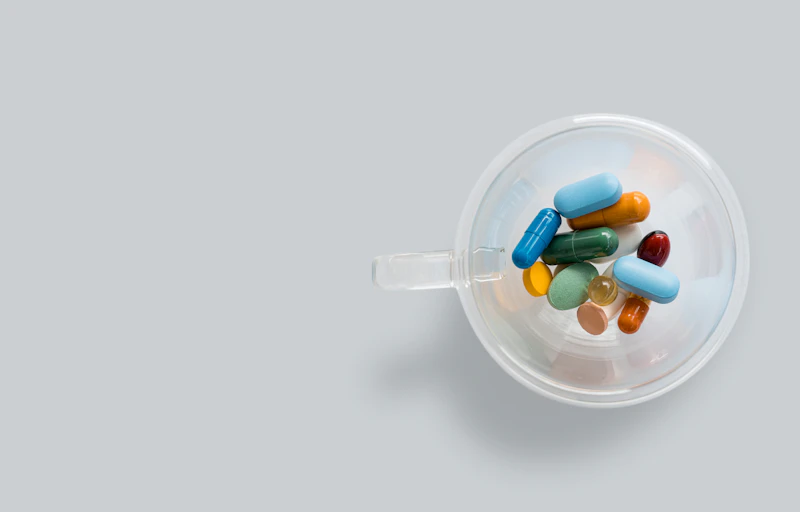

Diabetes management has evolved radically beyond simple insulin injections. Modern therapeutic regimens focus on organ protection (heart and kidneys) alongside glucose control:
- Biguanides (Metformin): Typically the foundational first-line therapy. It decreases hepatic glucose production and enhances peripheral tissue sensitivity.
- GLP-1 Receptor Agonists: (e.g., Semaglutide, Tirzepatide, Liraglutide). These mimic the incretin hormone GLP-1, boosting insulin secretion in a glucose-dependent manner, delaying gastric emptying, reducing appetite, and providing profound cardiovascular protection.
- SGLT-2 Inhibitors: (e.g., Empagliflozin, Dapagliflozin). These agents block renal glucose reabsorption in the proximal tubules, allowing excess glucose to be excreted via urine while offering heart failure and chronic kidney disease protection.
Check Your Metabolic Risk Profile
Body mass index (BMI) and abdominal adiposity are closely linked to insulin sensitivity. Calculate your numbers using our free clinical tool.
Calculate Your BMI & Calories ?Frequently Asked Questions (FAQ)
Scientific References & Clinical Guidelines
- American Diabetes Association (ADA). Standards of Care in Diabetes—2026. Diabetes Care 2026; 49(Suppl. 1): S1–S290.
- Lean MEJ, et al. Primary care-led weight management for remission of type 2 diabetes (DiRECT): an open-label, cluster-randomised trial. The Lancet 2018; 391(10120): 541-551.
- Davies MJ, et al. Management of Hyperglycemia in Type 2 Diabetes: A Consensus Report by the ADA and EASD. Diabetes Care 2022; 45(11): 2753-2786.